SEO, AEO & GEO, explained
Playbooks to rank on Google and get cited by AI search, from the team building the engine.
114 articles published, no gated PDFs, no fluff.


GEO vs SEO: How Generative Engine Optimization Differs
SEO gets you into the list of ten blue links. GEO gets you quoted inside the answer an AI writes above that list. If you run content in India today, both matter, because a growing share of buyers ask…

Multi-Platform AI Visibility Tool: Cross-Engine Tracking
You now have four answer engines that can mention your brand or ignore it: ChatGPT, Gemini, Perplexity and Google AI Overviews. Each pulls from different sources, refreshes on its own schedule, and p…

How to Rank #1 on Google in 2026: What Works
If you run a business in India and want to know how to rank 1 on Google, the honest answer is simpler and harder than most guides admit. You rank by being the best answer to the query, earning links…

Free AI Visibility Tool in 2026: What Actually Works
Everyone wants to know if their brand shows up when someone asks ChatGPT for a recommendation. A free AI visibility tool promises to answer that without a card on file. We spent a fortnight running t…

AI Blog Writing: Best AI Blog Writing Tools & Tips (2026)
AI blog writing works when the model handles structure and first drafts, and you supply the judgement: the angle, the real numbers, the edits that make it sound like someone who's actually done the w…

16+ Best Free YouTube Tools to Grow Your Channel
Most creators lose views not to bad videos but to bad packaging. A solid upload with a weak title, no tags and a thumbnail nobody downloaded to study will sit at 200 views while a worse video with sh…
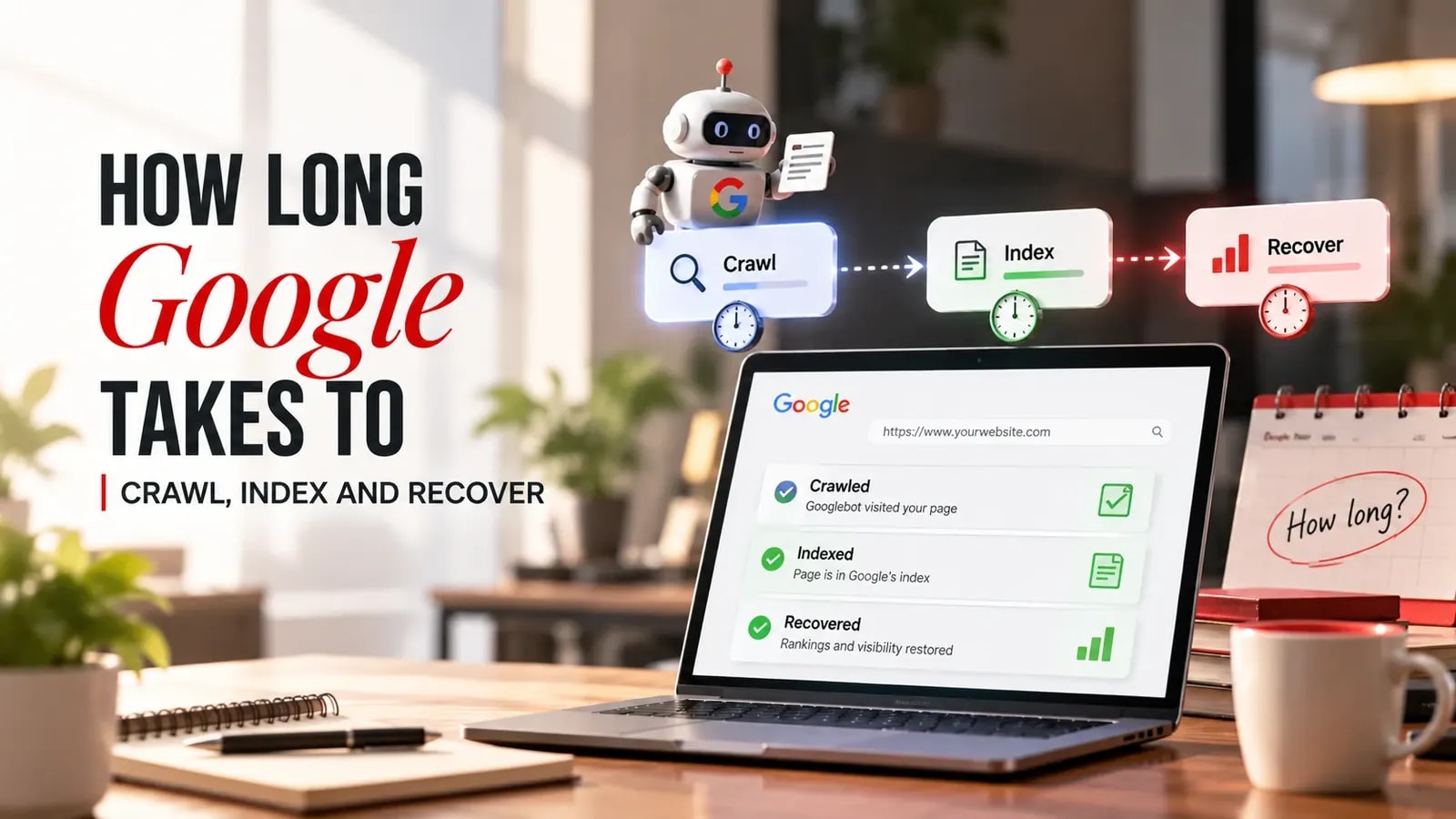
How long Google takes to crawl, index and recover
Google finds a new URL in about 20 hours and indexes it in about 1.5 hours, but re-crawls a known page only every 30 days. All 23 timing ranges Gary Illyes shared, and what they mean for your site.

Top 10 Best AI Visibility Tools for Brands in 2026
We compared ten AI visibility tools on the engines they track, what they measure, what they fix and what they cost. Here is which one suits your brand, and where each falls short.
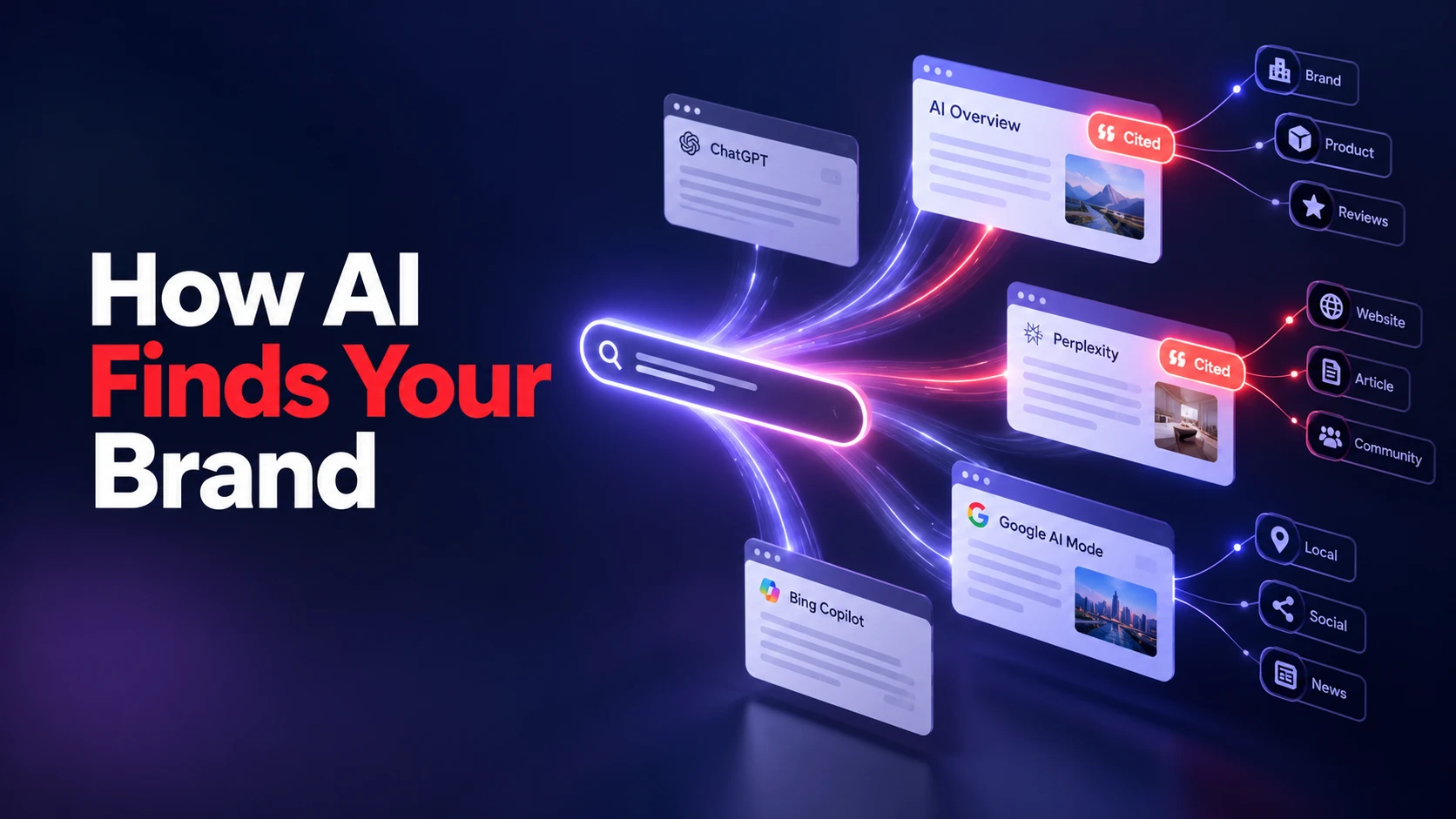
AI SEO field guide (2026): how AI search cites brands
How RAG, query fan-out, entity resolution and information gain decide whether Google AI Overviews, ChatGPT, Perplexity and AI agents cite you, plus a 4-stage framework and checklist.
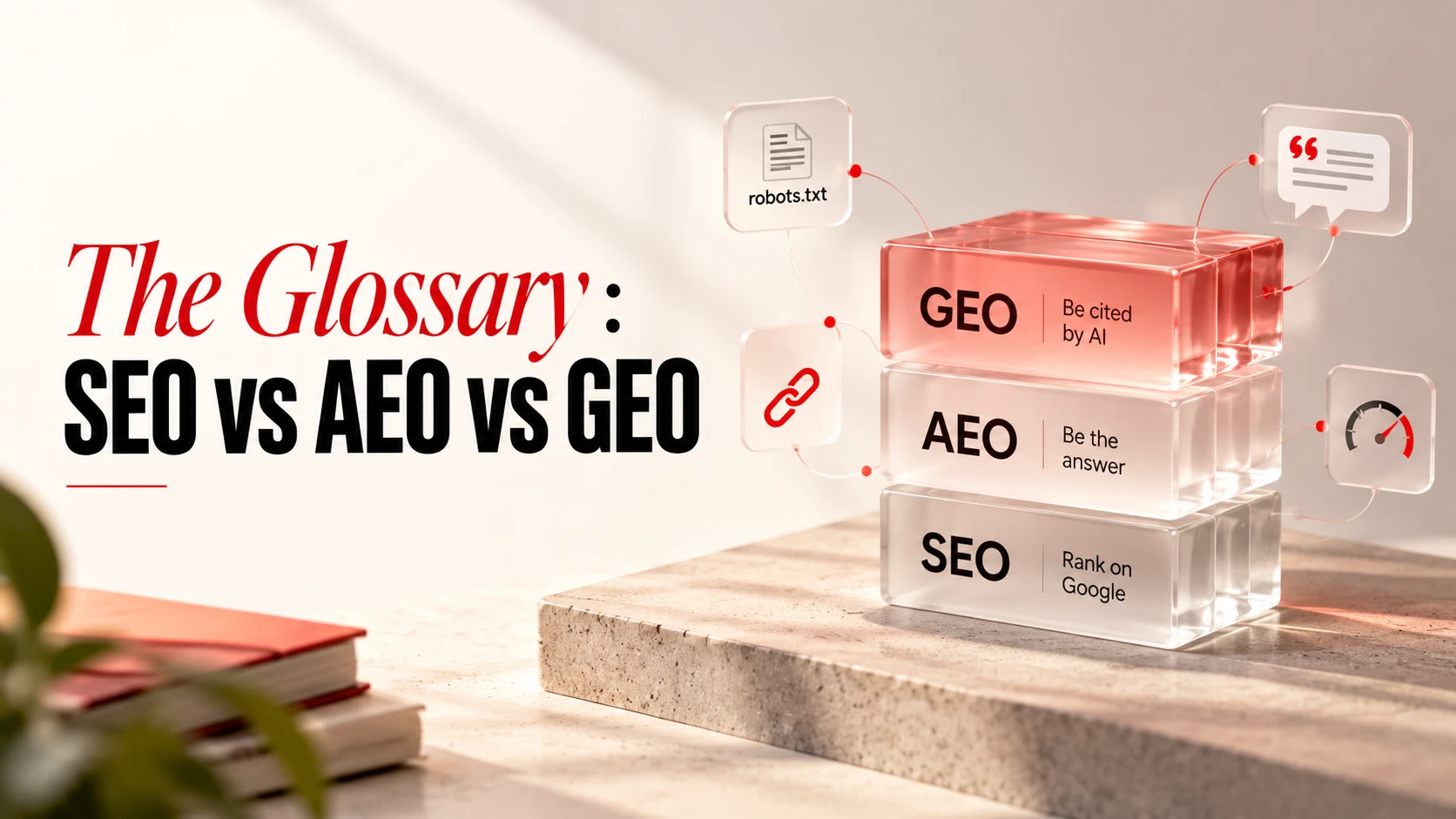
SEO, AEO and GEO glossary: terms that win AI citations
Plain definitions of the SEO foundations, the AEO and GEO concepts that matter (and the overused ones), and 20 technical SEO essentials.
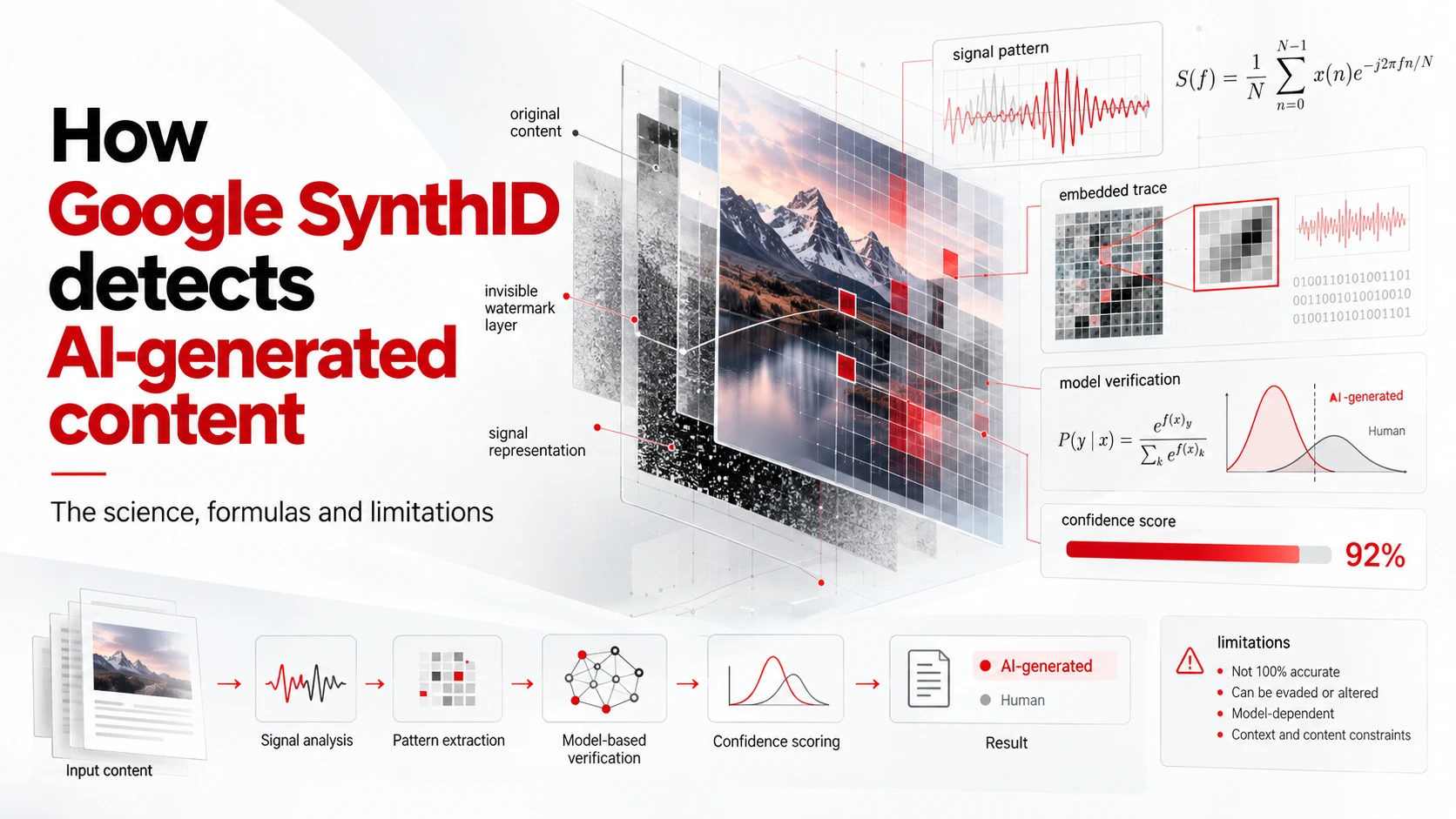
How Google SynthID detects AI-generated content: the science, formulas and limitations
SynthID hides a keyed statistical watermark in token choices, then tests for it later. How it works, the maths step by step, and what a result can and cannot tell you.

How to humanise AI-generated content in 2026: a complete SEO, AEO and GEO guide
An eight-step editorial framework, five before-and-after rewrites and a QA checklist for turning AI drafts into content people want to read, without chasing detector scores.
Want this run on your site?
Every tactic we write about is built into the engine. Start with a free audit and see where you stand.